Beginning with Sustainable home remodeling options, the narrative unfolds in a compelling and distinctive manner, drawing readers into a story that promises to be both engaging and uniquely memorable.
Explore the world of sustainable home remodeling, where eco-friendly materials, energy efficiency, and innovative techniques come together to create beautiful and environmentally-conscious living spaces.
Sustainable Home Remodeling Options
When considering sustainable home remodeling options, it’s essential to choose eco-friendly materials that not only benefit the environment but also contribute to a healthier living space. These materials are not only durable but also energy-efficient, making them a wise choice for any remodeling project.
Eco-Friendly Materials Suitable for Remodeling
- Bamboo flooring: A renewable resource that is durable and aesthetically pleasing.
- Recycled glass countertops: Made from recycled glass and other materials, creating a unique and sustainable option.
- Low VOC paints: These paints emit fewer harmful chemicals, improving indoor air quality.
Benefits of Choosing Sustainable Options
- Reduced environmental impact: Using sustainable materials reduces waste and minimizes the depletion of natural resources.
- Healthier living environment: Eco-friendly materials contribute to better indoor air quality, reducing the risk of respiratory issues.
- Long-term cost savings: Energy-efficient materials can lower utility bills over time, making them a cost-effective choice.
How Sustainable Choices Impact Energy Efficiency in Homes
By opting for energy-efficient appliances, windows, and insulation, homeowners can reduce their energy consumption and carbon footprint. This leads to lower energy bills and a more comfortable living environment year-round.
Examples of Sustainable Home Remodeling Projects
- Installing solar panels to harness renewable energy and reduce reliance on the grid.
- Upgrading to energy-efficient HVAC systems to improve heating and cooling efficiency.
- Using reclaimed wood for flooring or furniture to give new life to old materials.
Remodeling Techniques
When it comes to sustainable home remodeling, incorporating eco-friendly materials is key to reducing the environmental impact of your project. By choosing materials that are renewable, recyclable, or have a lower carbon footprint, you can create a more sustainable living space for you and your family.
Incorporating Sustainable Materials
- Opt for reclaimed wood or bamboo flooring instead of traditional hardwood.
- Choose low-VOC paints and finishes to improve indoor air quality.
- Install energy-efficient windows and doors to reduce heating and cooling costs.
- Use recycled glass or concrete countertops in the kitchen and bathrooms.
Comparing Traditional vs. Sustainable Methods
- Traditional methods often rely on resource-intensive materials with a high environmental impact.
- Sustainable alternatives prioritize energy efficiency, waste reduction, and long-term durability.
- While traditional methods may be cheaper upfront, sustainable options can lead to cost savings in the long run through lower utility bills and maintenance costs.
Tips for Minimizing Waste
- Plan your project carefully to avoid overordering materials.
- Donate or recycle any materials that are in good condition but no longer needed.
- Work with a contractor who prioritizes waste reduction and recycling practices.
Cost Implications of Sustainable Remodeling
- While sustainable materials may have a higher initial cost, the long-term benefits in terms of energy savings and durability can outweigh the upfront investment.
- Look for tax incentives or rebates for using eco-friendly materials in your remodel.
- Consider the overall lifecycle cost of materials and products to make a well-informed decision.
Energy-Efficient Upgrades
When it comes to sustainable home remodeling, incorporating energy-efficient upgrades is key to reducing your environmental impact and saving on utility costs.
Energy-Efficient Appliances
- Choose Energy Star certified appliances for your kitchen and laundry room to reduce energy consumption.
- Opt for LED lighting fixtures throughout your home to lower electricity usage.
- Consider installing a programmable thermostat to regulate heating and cooling efficiently.
Insulation Upgrades
Upgrading your home’s insulation can significantly improve energy efficiency by reducing heat loss in the winter and heat gain in the summer.
- Consider adding insulation to your attic, walls, and floors to create a more airtight and well-insulated home.
- Seal any gaps or cracks in windows, doors, and ductwork to prevent air leaks and improve insulation.
Proper Ventilation
Proper ventilation is essential in sustainable remodeling to maintain indoor air quality and prevent moisture buildup.
- Install energy-recovery ventilators to bring in fresh air while expelling stale air, without losing heat or coolness.
- Use exhaust fans in kitchens and bathrooms to remove excess humidity and odors, improving overall air circulation.
Incorporating Renewable Energy Sources
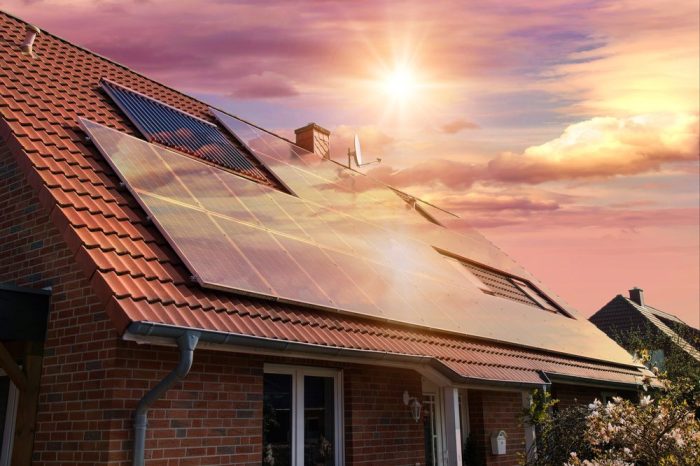
Integrating solar panels or other renewable energy sources into your sustainable home remodel can help reduce reliance on grid electricity and lower your carbon footprint.
- Consult with a renewable energy specialist to assess your home’s solar potential and determine the best placement for solar panels.
- Consider other renewable energy options like wind turbines, geothermal heat pumps, or solar water heaters to further enhance your home’s sustainability.
Water Conservation Strategies
When it comes to sustainable home remodeling, water conservation is a crucial aspect to consider. By incorporating water-saving fixtures and systems, making mindful landscaping choices, and implementing tips to reduce water usage in bathrooms and kitchens, you can significantly decrease your water consumption and contribute to a more eco-friendly living space.
Water-Saving Fixtures and Systems
- Install low-flow toilets, faucets, and showerheads to reduce water usage without sacrificing performance.
- Consider a greywater recycling system to reuse water from sinks, showers, and washing machines for irrigation purposes.
- Implement a smart irrigation system that adjusts watering schedules based on weather conditions and soil moisture levels.
Landscaping Impact on Water Conservation
- Choose native plants that are adapted to the local climate and require less water to thrive.
- Utilize mulch to retain soil moisture, reduce evaporation, and suppress weed growth.
- Design a rain garden to capture and filter rainwater runoff, replenishing groundwater and reducing water pollution.
Reducing Water Usage in Bathrooms and Kitchens
- Fix leaks promptly to prevent water wastage and increase water bill costs.
- Opt for energy-efficient dishwashers and washing machines that use less water per cycle.
- Collect cold water while waiting for hot water to reach the tap and repurpose it for watering plants or flushing toilets.
Benefits of Rainwater Harvesting
- Rainwater harvesting allows you to collect and store rainwater for non-potable uses such as irrigation, laundry, and toilet flushing.
- Reduces reliance on municipal water sources, conserving water and reducing utility costs.
- Helps prevent stormwater runoff, erosion, and flooding in urban areas by capturing rainwater on-site.
Closure
In conclusion, Sustainable home remodeling options offer a blend of sustainability, functionality, and style, making it a smart choice for homeowners looking to upgrade their living spaces responsibly. Dive into the world of eco-friendly renovations and discover a greener way to remodel your home today.
Essential Questionnaire
What are some commonly used eco-friendly materials for sustainable home remodeling?
Common eco-friendly materials include bamboo flooring, recycled glass countertops, and reclaimed wood for cabinetry.
How do sustainable choices impact energy efficiency in homes?
By using energy-efficient appliances and proper insulation, sustainable choices can significantly reduce energy consumption in homes.
What are some innovative ways to incorporate solar panels in sustainable home remodeling?
Solar panels can be integrated into the roof or mounted on the ground to harness renewable energy for the home.
How can landscaping choices affect water conservation in sustainable remodeling?
Planting drought-resistant plants and using mulch can reduce the need for watering, promoting water conservation in landscaping.
What are the benefits of rainwater harvesting in sustainable home remodeling?
Rainwater harvesting helps reduce reliance on municipal water sources and can be used for irrigation, flushing toilets, and other non-potable water needs.

/AMI089-4600040ba9154b9ab835de0c79d1343a.jpg?w=700)